Unlock more jurisdiction sub-pages
Subscribe for full sub-page depth, saves, alerts, and exports.
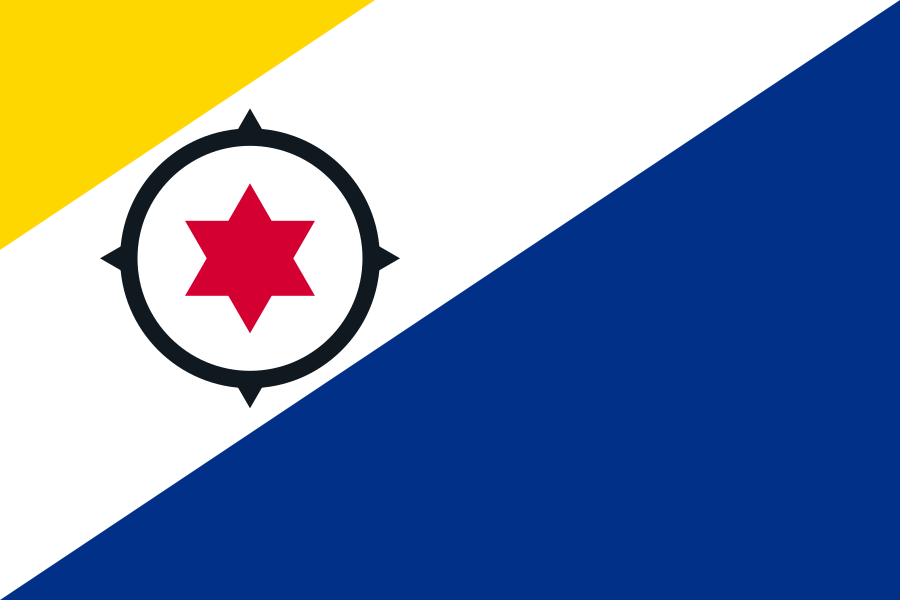 Jurisdiction Guide
Caribbean Netherlands
Overview
The Caribbean Netherlands includes Bonaire, Sint Eustatius, and Saba, located in the southern Caribbean Sea. These islands are special municipalities of the Netherlands, but mix Dutch law with Caribbean traditions. Daily life is relaxed, shaped by the sea and steady trade winds. Tourism drives the economy, with diving, snorkeling, and ecotourism drawing most visitors.
Best Time to Visit
December to April is driest and least humid, though these months are busiest. The islands lie south of the main hurricane belt, so storms are rare.
Local Tips
People speak Dutch, Papiamentu, and English; English will get you by. Most places accept major debit cards, but bring cash for small shops and local markets. Tipping 10 to 15 percent is appreciated in restaurants. Local SIM cards are sold at airport kiosks and phone shops, with good coverage. Renting a car or scooter is easiest on Bonaire; Saba and Statia are best explored on foot or by taxi.
Cultural Etiquette
Greet people with a friendly "Bon dia" (good morning) or "Goedemorgen". Beach wear belongs at the beach; cover up in towns and restaurants. Sundays are quiet with many businesses closed or limited hours. It's polite to ask before taking photos of people. Locals are direct but warm, a smile goes a long way.
Safety Warnings
Petty theft happens, so lock your valuables and don't leave things in your car. The roads are narrow and can be steep or full of potholes, especially on Saba and Statia. Watch for sharp coral and sea urchins while swimming. Medical care is good for common issues but limited for serious emergencies.
Visa & Entry Advice
EU, US, and Canadian citizens can enter visa-free for up to 90 days within any 180-day period. Longer stays need a residence permit; requirements include proof of income and insurance. There's no special digital nomad visa, but long-term rentals are possible if you sort paperwork in advance.
Getting Around
No passenger ferries connect the islands, so short domestic flights are the only option for island-hopping. Bonaire is best seen by car, with good roads and clear signage. Saba and Statia are compact; walking, taxis, and small rental vehicles cover most needs. No ride-hailing apps like Uber operate here.
Food & Drink
Try goat stew, fresh lionfish, and keshi yena (stuffed cheese), which reflect Dutch and Caribbean influences. Beach bars serve cold Polar beer, rum punch, and fresh seafood. Water is safe to drink from the tap. Vegetarian dishes are less common but available in tourist restaurants and bakeries.
Cost Advice
Bonaire is pricier than Saba or Statia, with meals around $15 to $25 at mid-range restaurants, simple meals for $8 to $12. Grocery goods cost more than the European mainland. Dive trips and car rentals add to costs. Budget travelers can share apartments and self-cater, while comfortable stays top $200 per night.
Stored guidance may include AI-generated text. A named reviewer and supporting sources are not recorded for each statement. Verify time-sensitive details with the relevant authority. Read our methodology.
Subscribe to unlock more jurisdiction sub-pages this month.
You can keep discovering Oyster publicly, but full multi-jurisdiction depth, tracking, alerts, and exports are part of paid access.